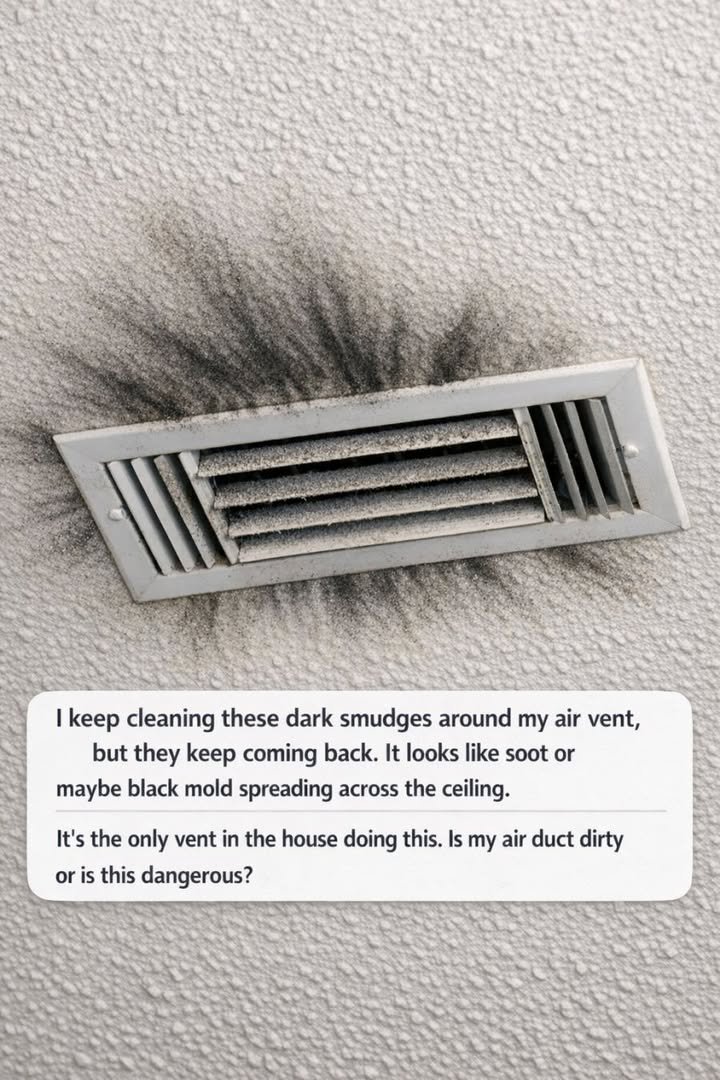
If your inspections reveal signs of mold or persistent soot, or if you’re unable to determine the cause of the stains, it might be time to call an HVAC technician. They can inspect your ductwork for blockages, leaks, or mold growth.
A technician can also evaluate your HVAC system’s efficiency, ensuring that it’s properly filtering air and not contributing to the problem. Their expertise can help identify issues that might not be apparent to the untrained eye.
9. Fixing the Root Causes: Insulation, Air Leaks, and Vent Placement
Addressing the root causes of staining requires a multi-faceted approach. Improving insulation can help prevent thermal tracking by maintaining even temperatures and reducing condensation.
Sealing air leaks around vents and windows can help control airflow and prevent particle accumulation. Additionally, reconsidering vent placement or adding additional vents can improve air circulation and reduce localized issues.
10. Safe Cleaning Methods That Don’t Make the Problem Worse
When cleaning stains, it’s important to use methods that won’t exacerbate the issue. For soot, a gentle cleanser or vinegar solution can help remove marks without damaging surfaces.
For mold, it’s crucial to use a cleaner designed to kill mold spores, such as a bleach solution or commercial mold remover, and to wear protective gear to prevent inhalation of spores. Ensuring the area is well-ventilated during cleaning is also important.
11. How To Stop the Stains From Coming Back For Good
Preventing stains from returning involves regular maintenance and monitoring. Keep your HVAC system clean and well-maintained, with regular inspections and filter replacements.
Maintain consistent humidity and temperature levels in your home to reduce the likelihood of condensation and thermal tracking. By addressing the underlying causes and staying vigilant, you can keep your ceilings and walls free from unsightly stains.
Don’t Miss The Rest! Press Next Button Below To Continue Reading.